From displacement to empowerment: Cincinnati’s West End Speaks Plan as a model for culturally inclusive urban regeneration
Submission Type A: Report + Track Presentation (Poster optional)Track 4: Culture, Identity, and Inclusive Urban Transformation07:00 PM - 07:10 PM (Asia/Riyadh) 2025/12/02 16:00:00 UTC - 2025/12/02 16:10:00 UTC
The West End, just north of Downtown Cincinnati, stands as the historic core of the city’s African American community, with deep roots in local cultural and social networks. Decades of urban renewal in the twentieth century led to the displacement of thousands of families and the demolition of large sections of the neighborhood for highways, public housing, and institutional expansion. Despite long term disinvestment, housing decline, and economic hardship, this West End has maintained a strong community and identity and resilience. This complex history of displacement and survival makes the West End a distinctive site where place-based identity and multicultural expression are central to urban life. Facing threats of gentrification, cultural erasure, and external redevelopment pressures, especially following large-scale reinvestment in the adjacent Over the Rhine district, the West End residents, organized to take a more active role in shaping their neighborhood’s future, together with local organizations Seven Hills Neighborhood Houses, the Community Building Institute, and the University of Cincinnati, initiated the West End Speaks Plan in 2016 . This plan, later adopted by the City of Cincinnati, became the official framework for neighborhood development and preservation. The planning process was deeply participatory. Residents shared personal stories, conducted oral history interviews, public workshops, and residential-led visioning sessions. These activities created a detailed record of the neighborhood’s lived experiences, collective memory, and cultural heritage. The plan set out concrete actions: to preserve affordable housing, strengthen Black cultural identity, and ensure that all future development reflected the priorities and values of existing residents. The planning document not only provided a roadmap for action but also shifted the locus of decision-making to the community itself. During the West End Speaks planning process, a major issue identified by residents was the rising fear of displacement, amplified by new investment in neighboring areas and the proposed Major League Soccer stadium at the heart of the West End. Residents reported that new development proposals were moving forward without their input, threatening not only their housing security but also the cultural identity and continuity of the neighborhood. Simultaneously, in the Brighton District, where many artists and craftspeople rent studio and living space, insecurity about future development was particularly acute. The planning team thoroughly mapped to document cases of rising rents, loss of cultural landmarks, and limited community control in planning processes. In response, the plan recommended specific strategies: enforcing affordable housing requirements, supporting local artists and small businesses, preserving cultural sites, and establishing formal channels for resident participation in decision-making. A clear example of planning translating into action was the negotiation of a Community Benefits Agreement (CBA) related to the new stadium development. Using the West End Speaks Plan as an advocacy tool, residents and local leaders secured commitments through the CBA for affordable housing initiatives, local job opportunities, and new youth programs. The West End Speaks Plan demonstrates how a community-generated planning document can empower residents to protect their neighborhood, maintain cultural identity, and proactively shape urban change. By positioning cultural identity at the heart of placemaking, the West End sets a precedent for inclusive neighborhood development, one that offers valuable lessons and strategies for other neighborhoods facing similar challenges.
Presenters Chang Suo Master Planner, Walt Disney Imagineering Co-Authors
Adolescents at the heart of urban change: sociocultural tools for inclusive public spaces in Ufa, Russia
Submission Type A: Report + Track Presentation (Poster optional)Track 4: Culture, Identity, and Inclusive Urban Transformation07:10 PM - 07:20 PM (Asia/Riyadh) 2025/12/02 16:10:00 UTC - 2025/12/02 16:20:00 UTC
Urban transformations profoundly shape the lived experiences of communities, often amplifying existing social inequalities, particularly among vulnerable groups such as adolescents. In many countries, urban planning traditions overlook the adverse socio-cultural impacts of redevelopment, lacking effective tools to predict and mitigate negative outcomes. Adolescents, frequently ignored and absent in participatory processes, are left without spaces that support their social, emotional, and psychological development. This report examines a case study from Ufa, Russia, focusing on the sociocultural effects of public space redevelopment on adolescents and introduces a novel methodology for assessing inclusivity and social justice. This report lies at the intersection of urban design, social equity, and youth engagement. Adolescents, as a distinct yet often overlooked demographic, face unique challenges in accessing safe, supportive, and identity-affirming public spaces. The case study from Ufa demonstrates how urban transformations can address social exclusion, depending on the inclusivity of planning processes. The example represents that active involvement of adolescents in the design and redevelopment of public spaces fosters a sense of safety, cultural identity, and community ownership, which are the key tenets of inclusive urbanism. This approach not only advances social justice for adolescents but also contributes to more resilient, cohesive, and culturally vibrant urban communities. The main contribution of this report is the development and use of a unique method to measure and plan the sociocultural effects of public space changes, with a particular focus on adolescents. The uniqueness of the applied methodology lies in the combination of sociological tools and approaches from systemic psychodynamics. We use phenomenological analysis to interpret the qualitative data collected. This approach helped us process and analyze a large variety of sociocultural data gathered through observations, surveys, interviews, mental mapping, and workshops with adolescents during and after the project implementation. The data covers important aspects such as how young people perceive their neighborhood, their feelings of safety, and their opportunities for self-expression and social interaction. The findings are then incorporated into the planning and evaluation of public space redevelopment projects. In practice, this approach was piloted in one of the remote districts of Ufa, where participatory design processes were broadened to include adolescents as key stakeholders. The involvement of the youth in the participation process revealed mutual conflict within the community that otherwise would have remained unknown. The assessment of sociocultural effects on adolescents revealed unexpected insights concerning the sense of safety and belonging, as well as the ways adolescents perceive and engage with the changing environment. The findings emphasize the importance of youth engagement throughout the lifecycle of the public space to ascertain that the project meets and adapts to the evolving demands of vulnerable groups and contributes to the community. For policymakers and practitioners, the proposed combination of sociocultural and psychodynamics tools offers a replicable model for embedding social justice considerations into urban transformation projects. By institutionalizing adolescent participation and systematically assessing sociocultural impacts, cities can create more equitable, inclusive, and sustainable public spaces. This model supports ongoing dialogue and co-management, fostering a culture of shared responsibility and long-term stewardship, and ultimately laying the groundwork for socially just urban futures.
Presenters Elmira Nizamova Head Of The Startegic Planning Department, NGO Institute For Urban Development Co-Authors
From Problem District to Shared Ownership: Neighbourhood Narratives Guiding Renewal in Wildemanbuurt
Submission Type C: Track Presentation only (Poster optional)Track 4: Culture, Identity, and Inclusive Urban Transformation07:20 PM - 07:30 PM (Asia/Riyadh) 2025/12/02 16:20:00 UTC - 2025/12/02 16:30:00 UTC
a) Background. Once labelled a ‘problem district’, Wildemanbuurt in Amsterdam Nieuw West faced entrenched poverty, mono tenure housing and public insecurity. Between 2022 and 2024 residents and the municipality worked together in monthly participatory Meet Ups during which the design team shared every step. Instead of depending on top down design practices, lived narratives collected through visits to favoured places and oral histories provided the foundation for a renewed spatial vision. b) Relevance to the congress themes. The project aligns with key themes of the ISOCARP Congress, notably inclusive planning, bottom up governance and culturally responsive urbanism. In Wildemanbuurt spatial planning was not only participatory but also driven by neighbourhood narratives. Residents shared personal memories and explained how different spaces function within the area and beyond. For instance, they examined the passageways beneath the building and debated whether reinstating such links would be useful or whether these spaces create nuisance. Their insights informed a spatial gradient that runs from private gardens to communal courtyards and culminates in a green car free spine. No stylistic template was imposed, yet the outcome subtly reflects cultural ideas of modesty and community, linking Amsterdam practice with urban values that are also familiar in Riyadh and other cities. The proposal avoids themed architecture and instead lets culture emerge through the design of spaces with clear attention to perceived safety. This stance challenges tokenistic multicultural design and offers a transferable model for dense and diverse urban areas worldwide. c) Contribution to planning or policy making practice. Wildemanbuurt presents a replicable approach to inclusive and culturally grounded area development that relies on continuous engagement with local knowledge. Throughout the process monthly Meet Ups invited the whole neighbourhood to contribute. Alongside these events a dedicated group of about fifteen active residents took part in monthly co design sessions. Far from symbolic, these meetings shaped the direction of the project. Design proposals were first discussed in these smaller expert circles, refined and then shared with the wider community, which secured both strategic depth and broad legitimacy. Rather than treating stories as abstract data, the method worked with residents as experts in their own environment. They explained not only how spaces are used but also why certain playgrounds are popular, why some corners attract nuisance and how spatial qualities relate to social rhythms. By testing concrete interventions with the community the team established a structured dialogue that captured embedded experiential knowledge. The method underlines that in large cities planners must respond not to a generic urban or national culture but to the distinct social and spatial fabric of each neighbourhood. This is particularly crucial in extensive metropolitan regions such as Riyadh, where contrasts between districts are pronounced and local solutions are essential. Resident involvement not only improves spatial outcomes but also generates ownership. When people recognise their input in the built environment they continue to care for their surroundings, helping to safeguard long term liveability. Although early engagement requires significant time and capacity it ultimately accelerates delivery by building trust, reducing resistance and securing broad based support.
Evaluation and optimisation countermeasures for ageing suitability in older communities based on streetscape semantic analysis and cultural identity continuity - a case study of Nanjing, China
Submission Type B: Paper + Track Presentation (Poster optional)Track 4: Culture, Identity, and Inclusive Urban Transformation07:30 PM - 07:40 PM (Asia/Riyadh) 2025/12/02 16:30:00 UTC - 2025/12/02 16:40:00 UTC
Most countries around the world, especially in parts of Asia, are in a long-term ageing stage, and population ageing will become the root cause of many social problems. The community is the main living place for the elderly, and the quality of life in old age has an important relationship with the quality of living space and environment, and its suitability for the elderly will directly affect the state of life of the elderly. Many existing neighbourhoods built decades ago face the dilemma of ‘double ageing’ - that is, the simultaneous ageing of residents and physical infrastructure. Their public environments and facilities are increasingly unable to meet the contemporary needs of ageing in place, making increased accessibility and inclusiveness, particularly in terms of walkable environments, a priority for improving the quality of life of older persons. Echoing the theme of Track 4, this study incorporates the key dimension of cultural identity continuity into the inclusive transformation of ageing urban communities. Focusing on Nanjing's historical but aging residential areas, the study takes the walkability of the walking environment as the object of study, bases itself on the field research of the walkability of the walking environment in old neighbourhoods, establishes a basic database for the measurement of the walkability of the walking environment in neighbourhoods by using the neighbourhood road network data and the streetscape picture data, and disassembles the measurement system into 19 elements in four dimensions, namely, convenience, safety, comfort, and support, which are calculated and The system is summarised into four factors, namely walking comfort, walking convenience, walking guidance and street space vitality, to comprehensively measure the walkability of typical old districts in Nanjing, summarise the spatial distribution characteristics and analyse the common problems of street space. Finally, based on the four walking environment suitability evaluation factors, spatial distribution characteristics and the analysis of typical cases, this paper proposes strategies to improve the walking environment suitability of old districts in terms of environmental comfort, functional diversity, traffic safety and street activeness. According to the results of the evaluation of the walkability of the walking environment in old neighbourhoods, it is found that the level of the walkability index has a certain relationship with the road level and location, and the walkability index of the road sections with high road level and good resources of landscape nodes is also higher. The road sections with lower suitability indexes have more serious problems of accessibility and mobility safety compared with those with higher values, which have a negative effect on the willingness and safety of the elderly to travel. The public problems of the neighbourhoods in the study area are mainly reflected in the lack of green landscape shaping and single planting structure; the single function of the streets, which cannot stimulate the willingness of the elderly to go there; the low continuity of the walking network structure, which leads to the squeezing or interruption of the walking space; the lack of humanistic care in the street facilities and the insufficient elderly-friendly facilities; the single type of node in the leisure and recreation space, which fails to satisfy the needs of the elderly for diversified activities; the life atmosphere and culture of the streets. The loss of street life and culture prevents the elderly from gaining a sense of security and belonging in the community.
Principles in Motion: Evaluating the Social and Spatial Impact of Linear Walkways in Riyadh and New York Through the Lens of Inclusivity, Encounter, and Creativity
Submission Type B: Paper + Track Presentation (Poster optional)Track 4: Culture, Identity, and Inclusive Urban Transformation07:40 PM - 07:50 PM (Asia/Riyadh) 2025/12/02 16:40:00 UTC - 2025/12/02 16:50:00 UTC
In an era marked by rapid urbanization, climate challenges, and increasing social fragmentation, cities face growing pressure to reimagine public spaces as platforms for sustainable mobility, inclusion, and community engagement. Among the most effective spatial responses are linear pedestrian walkways, which evolved from simple transit routes into vibrant public realms that promote environmental resilience and human interaction. Grounded in the urban design theories of Jan Gehl, Kevin Lynch, and William H. Whyte, this research examines how the principles of inclusivity, encounter, and creativity shape the spatial and social dynamics of such pedestrian environments, with a focus on walkability, sustainability, and social cohesion. The study analyzes how these principles are interpreted and integrated into the design of two contrasting case studies: The High Line in New York, a renowned example of a repurposed elevated railway transformed into a public park, and the Sport Boulevard in Riyadh, a contemporary large-scale urban development. Using a qualitative comparative case study methodology, supported by basic quantitative analysis, the research evaluates spatial and design factors such as continuous walkways, visual interest, human-scale, and safety. These factors are converted into measurable indicators and assessed using a percentage-based scoring system, enabling systematic comparison. This mixed-method approach allows the ranking of each principle’s application and identifies the most influential, offering a prioritized framework for future urban design. Findings reveal that while both projects effectively incorporate the core principles, their application varies. The most consistently implemented factors are safety, visibility, comfort, and interaction, followed by human scale and visual interest. In contrast, active edge and public art are less emphasized, with creativity receiving the lowest priority. Inclusivity emerges as the most impactful, contributing to a sense of belonging through enhanced comfort, safety, and a human-scaled environment. Encounter follows, promoting spontaneous social engagement through well-designed, active public spaces. Creativity, expressed through artistic interventions, receives lower priority, suggesting that practical functionality often outweighs aesthetic considerations in public space design. The research highlights the importance of designing pedestrian walkways not merely as transit routes, but as dynamic public spaces that foster human interaction and social integration. By exploring alternative planning models and proposing scalable, resilient solutions, it addresses the complex and evolving challenges cities face today. The study contributes to both academic discourse and practical urban planning by offering a comprehensive framework informed by theory and practice for cities seeking to create adaptive, human-centered environments. Furthermore, it establishes a critical framework for future urban initiatives aimed at enhancing walkability and social cohesion, bridging insights from both Western and Middle Eastern contexts.
Youth-Friendly Cities in Saudi Arabia: A Seat Still Missing
Submission Type C: Track Presentation only (Poster optional)Track 4: Culture, Identity, and Inclusive Urban Transformation07:50 PM - 08:00 PM (Asia/Riyadh) 2025/12/02 16:50:00 UTC - 2025/12/02 17:00:00 UTC
The global youth population currently stands at approximately 1.2 billion, representing about 16% of the world’s population—the highest proportion of youth in recorded history. This figure is expected to increase by 7%, reaching around 1.3 billion young people by the year 2030. Many countries, international institutions, and non-governmental youth organizations have recognized the importance of redefining youth—not merely as beneficiaries, but as a potential driving force for development and economic growth at both local and global levels. This shift led to a focus on preparing and engaging youth as active partners in decision-making processes. As to Saudi Arabia, 67% of the population is under the age of 34, with an annual growth rate of 2.52%, positioning Saudi Arabia to be one of the world’s youngest countries demographically by 2030. These figures highlight the significance of this age group and the pressing need to include youth in the Kingdom’s developmental plans and initiatives. The study falls within Track 4 (Culture, Identity, and Inclusive Urban Transformation): The study addresses an issue of inclusivity in Saudi cities. Driven by the Kingdom of Saudi Arabia’s commitment to youth and the support of their community engagement, the Murshid Center for Youth Research and Studies has taken the initiative to address youth participation in community life within Saudi cities, aiming to contribute toward the development of youth-friendly cities across the Kingdom. The study adopts a positive youth development framework, which views young people as assets, allies, and agents of change who have much to contribute in addressing their own issues and solving broader challenges. The study examines the government’s digital discourse directed toward youth on the platform X (formerly Twitter). To evaluate the nature of youth’s engagement in the decision-making process, the study monitored youth-related tweets on the official accounts of various governmental bodies and authorities on Platform X since their inception. Analyzing digital governmental discourse offers one means to gauge the government’s orientation and policies toward youth inclusion and participation in urban development. While this methodology has limitations, it provides valuable insight into the government’s priorities and its conceptualization of youth. It was concluded that the official narrative predominantly emphasizes social, recreational, and sports-related issues. In contrast, urgent matters such as economic and professional empowerment receive comparatively limited attention. The private sector arguably plays a more significant role than official bodies in addressing these concerns. Geographically, the level of governmental engagement with youth varies across the Kingdom’s regions. However, the crucial question remains: has this discourse led to meaningful and sustainable youth participation within Saudi cities? The current digital government discourse tends to be informational rather than participatory, promotional rather than interactive, and seasonal rather than sustained. It often frames youth as users or target groups for major initiatives and projects rather than as active contributors. Recently, the digital governmental discourse has evolved to more explicitly support and empower youth across Saudi cities and regions. Yet, this discourse largely remains a media-driven narrative that lacks integration within comprehensive strategic plans. The question persists: will governmental discourse respond effectively to the real challenges faced by youth and redefine their role as key drivers of development, economy, and society? If Saudi cities aim to become more dynamic and youth-inclusive, the government’s digital communication must align more closely with practical policies—transforming youth from passive audiences into genuine architects of their cities’ futures.
Presenters Abdulrhman Alsayel Assistant Professor Of Urban & Regional Planning, Imam Abdulrahman Bin Faisal University
"An Exploratory Study of the Riyadh Metro’s Role in Advancing the Right to the City and Urban Equity: The Case of Qasr Al-Hukm Station, Riyadh"
Submission Type B: Paper + Track Presentation (Poster optional)Track 4: Culture, Identity, and Inclusive Urban Transformation08:00 PM - 08:10 PM (Asia/Riyadh) 2025/12/02 17:00:00 UTC - 2025/12/02 17:10:00 UTC
The “right to the city,” a concept introduced by Henri Lefebvre in 1968, advocates for equitable access to urban resources, spaces, and opportunities for all citizens. It underscores the role of spatial justice in promoting inclusive urban development and enabling marginalized groups to participate fully in urban life. The concept of the “right to the city” emphasizes that all urban inhabitants—not only privileged groups—should have equitable access to urban spaces, resources, services, and opportunities regardless of their economic or social status. Spatial justice plays a vital role by promoting fair distribution of resources to reduce disparities between central and peripheral urban areas. Public transport is a critical tool for achieving spatial justice, as it enables marginalized communities to access opportunities within the city. The Riyadh Metro project aims to improve the city’s transportation infrastructure by enhancing public transport to reduce traffic congestion and connect various urban areas. This research explores how public transport, including metro and buses, contributes to realizing the “right to the city” by promoting equitable access, social justice, and facilitating employment and education opportunities, focusing on the Qasr Al Hakam station as a case study. Using a mixed qualitative and quantitative exploratory approach, data were collected through structured questionnaires distributed to station users and semi-structured interviews with station staff to explore operational challenges and user experiences. Quantitative data were analyzed using SPSS, while thematic analysis was applied to interviews and field observations alongside a review of accessibility justice principles Findings indicate that most users value the metro’s comfort, safety, and affordability; however, significant barriers exist for residents of peripheral areas due to inadequate last-mile connectivity and insufficient supplementary transportation. Vulnerable groups, such as the elderly and people with disabilities, face accessibility challenges. Although access to basic services has improved, equity in access remains limited in some areas, requiring multiple relocations between transport modes. The lack of supportive infrastructure, such as feeder buses, pedestrian pathways, and bike lanes, reduces the overall effectiveness of the metro. The study concludes that despite progress, an integrated urban planning and design approach is necessary to bridge last-mile gaps and promote true equity in accessibility for all Riyadh residents. Ultimately, the study aims to develop planning and urban design recommendations and guidelines that contribute to improving the integration of the public transport network, enhancing the principle of equitable access, and achieving the intended social and economic impact of the Riyadh Metro project.
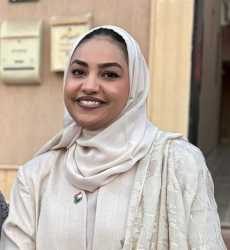
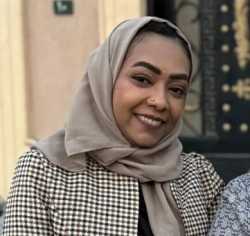
Presenters Azza Rayis Lecturer Part-time At King Saud University , King Saud University Misraj Hisham University Lecturer, King Saud University
From cognitive deterioration to environmental empowerment: a study on the design of cognitive-friendly environments for the older adults based on sensory compensation mechanism
Submission Type B: Paper + Track Presentation (Poster optional)Track 4: Culture, Identity, and Inclusive Urban Transformation08:10 PM - 08:20 PM (Asia/Riyadh) 2025/12/02 17:10:00 UTC - 2025/12/02 17:20:00 UTC
With the aging of the global population, creating safe and comfortable aging environments has become a great opportunity and challenge in the field of architecture and urban planning. Older people may experience cognitive decline as they age, which can lead to cognitive impairment or even dementia, which often causes many inconveniences in daily life. With the development of cognitive deterioration, older adults may have different degrees of decline or deficits in cognition, interaction, and physical functioning, showing difficulties mapped in personal awareness, behavioral activities, and spatial cognition. The environment is the basic carrier for human interaction with the outside world based on individual cognitive functions, preferences and attitudes, and it is the cornerstone of human daily behaviors and activities. Existing literature suggests that positively stimulating, easily recognizable and usable, aesthetically pleasing and attractive environmental factors can improve or promote cognitive performance, and that appropriate environmental interventions can improve or even prevent pre-cognitive disorders. The main purpose of this paper is to ensure the safety and comfort of daily life for older adults with cognitive deterioration problems, and to establish guiding and benign stimulation of space. Based on the behavioral characteristics and environmental needs of older adults with cognitive deterioration, we propose a design guideline based on the five senses to build a cognitive-friendly environment for older adults. In addition, it is applied to the design of a hospital roof garden in Harbin, China, to transform the research value from theory to practice. Regarding the specific content, the starting point is to analyze the real problems faced by older adults with cognitive deterioration in different degrees of impairment in memory, executive function, language function, visuospatial ability and attention control, and to clarify the main points of the construction of the physical environment in safety assurance, wayfinding, cognition and stimulation. The social environment is designed in autonomy and identity, and the design rules for balancing safety and stimulation are proposed based on the visual, auditory, olfactory, gustatory, and tactile characteristics of older adults with cognitive deterioration. First, the design guidelines are applied to the practice project of the roof garden, which is divided into five thematic zones: interaction zone, interesting planting zone, aroma recreation zone, memory stimulation zone, and entertainment zone according to the different activity needs of older adults with cognitive deterioration problems. In addition, functional modules such as DIY planting, retro memories, interactive gardens, removable flower boxes, shady rest, recreational gardens, sunny gatherings, plant trails, and entertainment plazas were introduced. Finally, design strategies are proposed for environmental colors, sounds, smells and tactile sensations, and an activity library is established. The study introduces the concept of flexible space based on traditional site design, allowing users to change the layout or configuration of the space according to different needs and preferences. Based on the perceptive characteristics of older adults with cognitive deterioration, the study sets design specifications and develops a detailed activity library, realizing an all-encompassing design from soft to hard, which reduces the cost of environmental construction while increasing the value of the environment. The study aims to break down the barriers of single-level design of cognitive-friendly environments for the older adults, and to protect the basic spatial rights and interests of older adults with cognitive deterioration. In addition, it promotes their awareness and opportunities for independent living and social participation and enhances the economic and sustainable benefits of the environment. The study not only provides a scientific theoretical basis for the construction and design of cognitive friendly environments for the older adults but also provides a replicable program for the practice of it.
 Elmira Nizamova
 Linara Salikhova
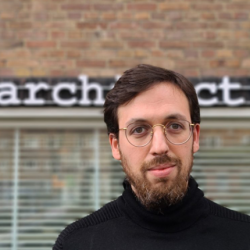 Ahmed Oueld Hadj
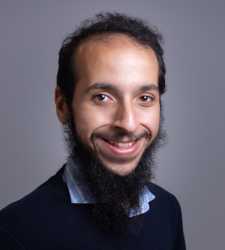 Abdulrhman Alsayel
 Azza Rayis
 Misraj Hisham