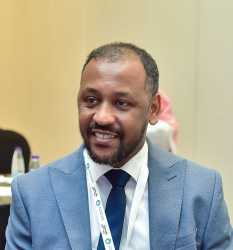
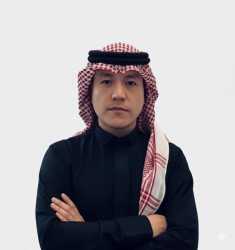
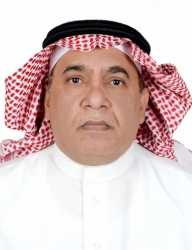
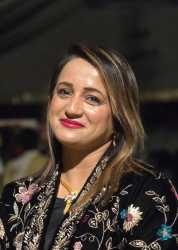
How can the city of Riyadh modernize while strengthening cultural identity, enhancing livability, and ensuring resilience in the face of climate and mobility pressures? Riyadh has developed using car-centric American models of development with large 2km x 2km urban and residential blocks with services and commercial activities at the edges. This model has been progressively reviewed and reconsidered to make municipal services locally accessible and strengthen neighborhood identity, but also address walkability, climate adaptation, and cultural continuity within this established structure. Riyadh Municipality is now leveraging innovative planning, geospatial intelligence, and human-centered design to embed inclusivity, governance, and sustainability within the city's existing and evolving fabric.
This session will explore Riyadh's pioneering approaches to integrating governance, sustainability, and cultural identity into urban transformation of existing neighbourhoods. Drawing on applied case studies-including My City Center, street humanization pilots, and Riyadh's data-driven 15-Minute Index-the panel will highlight how municipal projects can serve as scalable models of climate adaptation, inclusivity, and identity preservation. Through expert presentations and dialogue, the session will interrogate how cultural heritage and modern planning models can be reconciled, offering valuable lessons for other cities navigating rapid growth and globalized urban paradigms. The discussion will emphasize practical, evidence-based planning tools that align with the principles of resilience and improved quality of life.
How can the city of Riyadh modernize while strengthening cultural identity, enhancing livability, and ensuring resilience in the face of climate and mobility pressures? Riyadh has developed using car-centric American models of development with large 2km x 2km urban and residential blocks with services and commercial activities at the edges. This model has been progressively reviewed and reconsidered to make municipal services locally accessible and strengthen neighborhood identity, but also address walkability, climate adaptation, and cultural continuity within this established structure. Riyadh Municipality is now leveraging innovative planning, geospatial intelligence, and human-centered design to embed inclusivity, governance, and sustainability within the city's existing and evolving fabric.
This session will explore Riyadh's pioneering approaches to integrating governance, sustainability, and cultural identity into urban transformation of existing neighbourhoods. Drawing on applied case studies-including My City Center, street humanization pilots, and Riyadh's data-driven 15-Minute Index-the panel will highlight how municipal projects can serve as scalable models of climate adaptation, inclusivity, and identity preservation. Through expert presentations and dialogue, the session will interrogate how cultural heritage and modern planning models can be reconciled, offering valuable lessons for other cities navigating rapid growth and globalized urban paradigms. The discussion will emphasize practical, evidence-based planning tools that align with the principles of resilience and improved quality of life.
Qasr Al-Hukm 61st ISOCARP World Planning Congress riyadhcongress@isocarp.orgTechnical Issues?
If you're experiencing playback problems, try adjusting the quality or refreshing the page.
Questions for Speakers?
Use the Q&A tab to submit questions that may be addressed in follow-up sessions.